Stop your car being stolen: keys, locks and trackers
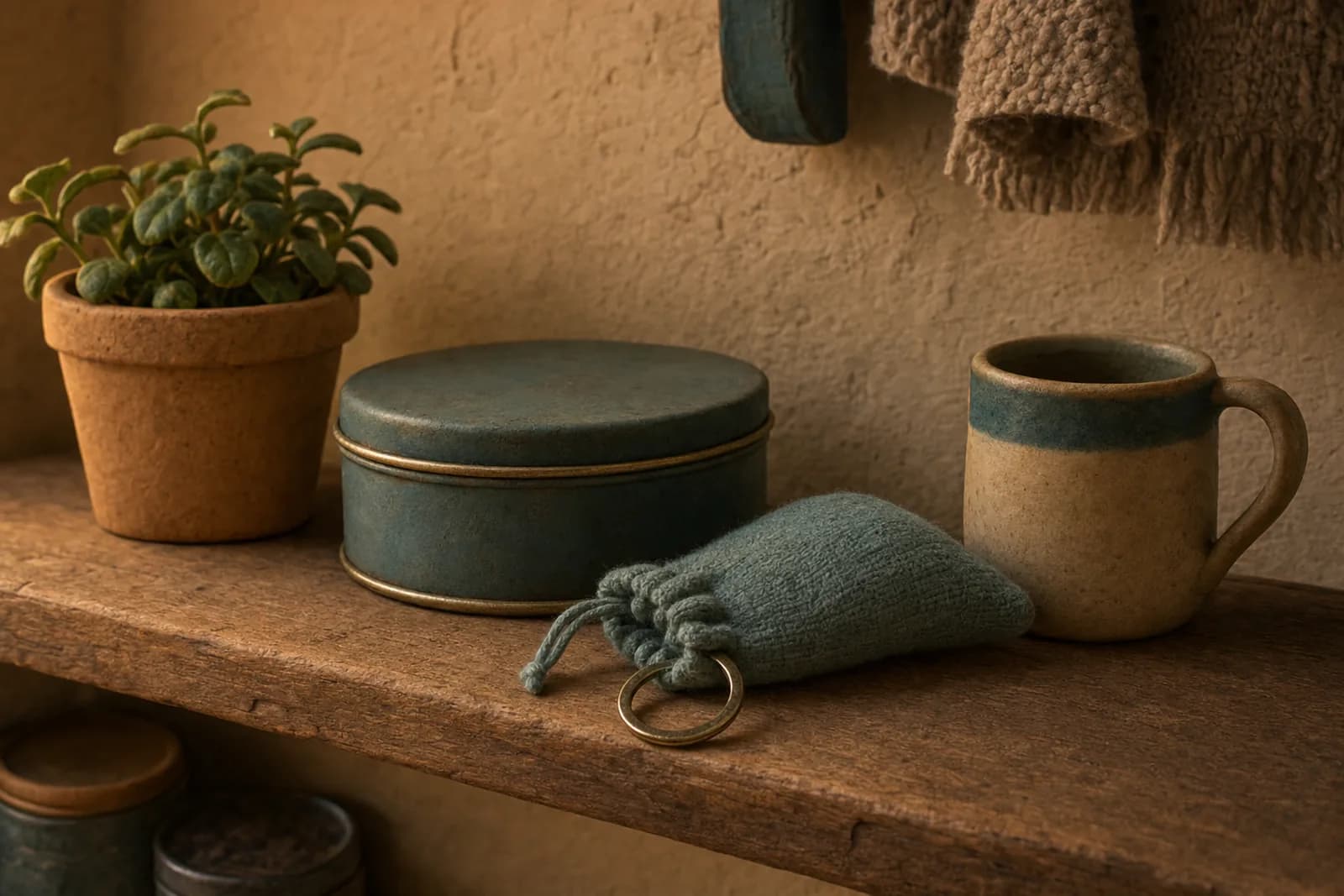
Lock it, take the keys, and keep them away from the front door. If your car is keyless, keep the key in a tin, box or pouch at night. Then think about a steering lock: thieves can see it from outside.
Last checked against the sources listed at the end of this page.
We sell nothing and fit nothing, and no company paid to be on this page. A few example products link to Amazon and earn us a commission: the note above them says so.
Every Garda division has specialist Crime Prevention Officers (opens in a new tab), trained to advise people on crime prevention. The Gardaí list them by county, with a phone number. Ring and ask about your car and where you park it.
Since 1998, every new car sold in the EU has had an immobiliser (opens in a new tab), which stops the engine starting without the right key. The Gardaí suggest buyers check a car’s security features. Your car’s handbook says what yours has and how its key works. Look there too, or ask your dealer, to see whether your key can be switched off or set to stop sending its signal.
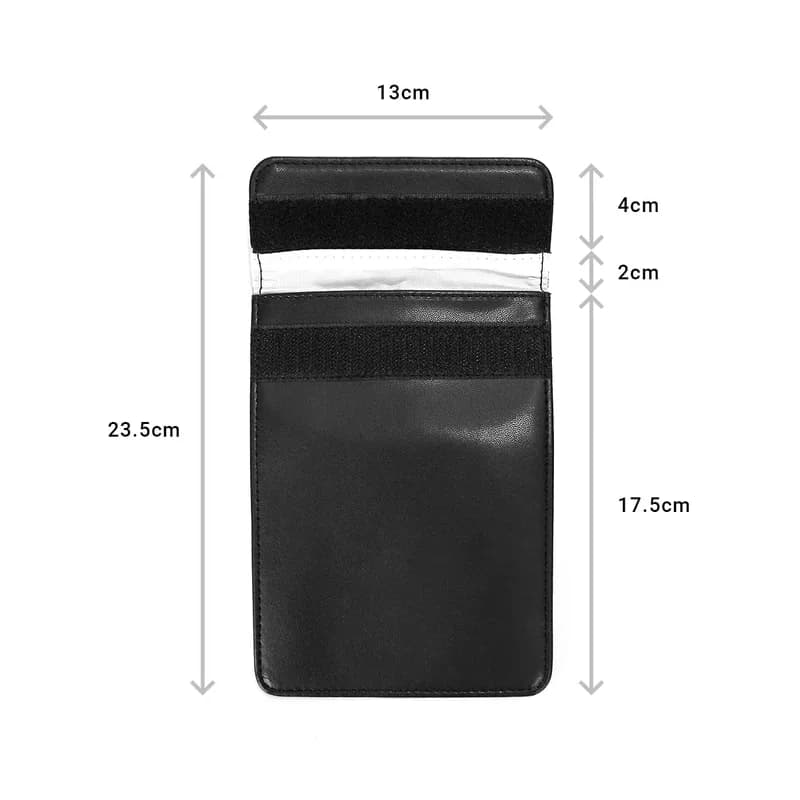
Many cars now have keyless entry: they open without you taking the key out of your pocket, because the key and the car send a signal between them. In relay theft, thieves copy the key’s signal and use it to get into the car (opens in a new tab). That is why the Gardaí advise keeping the key, while it is away from the car, in a Faraday bag or box, or even a biscuit tin.
Park under streetlights or in a secure car park, and where there is CCTV, when you can.
Is a steering lock worth it, and which kind?
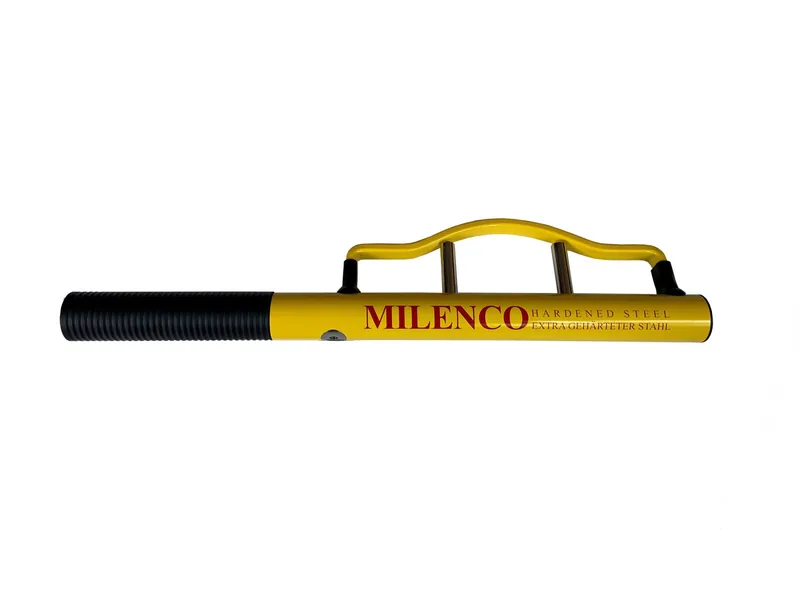
A steering lock locks onto the steering wheel and stops it turning (opens in a new tab). The Gardaí say it also acts as a visual deterrent, because most are yellow and easy to see from outside the car. Their advice includes “a visible steering wheel lock or chain should be considered”.
Affiliate links. Buttons on this page that go to Amazon are affiliate links. As an Amazon Associate I earn from qualifying purchases. It costs you nothing extra.
We pick these from published specifications and what is sold to Ireland. We have not tested them ourselves. Each one was on sale to Ireland on Amazon’s UK store when we checked on 6 October 2026.
Check it fits: Milenco says it fits all standard car steering wheels, fitted with the lock barrel facing the driver. For vans and motorhomes with bigger cabs it recommends its Commercial lock instead.
These are made to fit particular models, so we show no examples here. Ask your garage or dealer which one suits your car, and whether it needs fitting.
The registration number, make, model and colour, and a photo if you have one.
The details on your Vehicle Registration Certificate, including the VIN (chassis number).
Your insurer may ask for the Garda incident reference number and where all your car keys are (opens in a new tab). If your house keys were on the same ring as the car keys, change the locks at home straight away. If you have a car loan, tell the lender.
Your car, step by step
1
Tonight: lock it, check it, take the keys in
Close every window fully, lock the doors and check them. Never leave the car running with nobody in it, even on your own drive.
2
Put the keys away from the door
Not on the hall table, and nowhere near the front door, a window or the letterbox. A keyless key goes in a tin, box or pouch.
3
Look up your car’s security
Your handbook says whether it has an alarm and immobiliser, and how the key works.
4
Ask your insurer what it wants
Before you buy a lock or tracker, ask which ratings or makes it accepts.
5
If you want a steering lock, check its rating and its fit
Look for a Sold Secure rating, then check it on Sold Secure’s own list.
6
Ask your garage about a catalytic converter lock or locking wheel nuts
Both must be made to fit your model.
7
Keep your car’s details somewhere safe
The registration number, make, model and colour, a photo of the car, and the details on your Vehicle Registration Certificate, including the VIN. You will need them if it is ever stolen.
Before you leave the car, and every night
Tick each line as you go. They come from Garda advice (opens in a new tab) and Citizens Information. Print this page and keep it by the door.
Before you leave the car
1
Windows fully closed, doors locked, and checked
Not even one window left open slightly.
2
Keys out, and with me
Never leave the car running with nobody in it, even on the drive.
3
Nothing on show
Valuables taken with me. The empty glove box left open.
4
Steering lock on, if I have one
5
Parked under a light, or near CCTV, where I can
Every night
6
Car locked, and the alarm set if it has one
7
Keys away from the front door, windows and letterbox
Not on the hall table.
8
Keyless key in its tin, box or pouch, and closed
9
If the car is ever taken, I know what to do
Happening now: ring 999 or 112, and do not try to stop them. Otherwise: any Garda station, then the insurer.
Notes
From safeandsecure.ie/topics/vehicle/stop-car-theft. Last checked 6 October 2026. Sources: An Garda Síochána (garda.ie): Park Smart, Crime prevention, Reporting a crime; Citizens Information (citizensinformation.ie): Reporting stolen vehicles.
Print this
The checklist prints on one page, in black on white, with a box to tick beside each line. The whole guide prints without the menus, and with the address of every source.
One thing to do this week
Tonight, put your car keys in a tin, box or pouch, away from the front door.
If your car is keyless, a biscuit tin with a lid will do for now, as the Gardaí suggest (opens in a new tab). Then check that no keys are on the hall table or within reach of the letterbox. And if you ever see someone taking your car, don’t try to stop them: ring 999 or 112.
Sources
Every fact on this page comes from one of these, and each was read on 6 October 2026.
An Garda Síochána. The 4,978 thefts in 2023 (21% more than 2022) and almost 60% between 6pm and 4am; immobilisers in new EU cars since 1998; steering locks and why they deter; relay theft and the Faraday bag, box or biscuit tin; and the Gardaí’s list: lock up, close windows, nothing on show, steering lock, tracker, catalytic convertor lock, park under lights or near CCTV.
An Garda Síochána, Garda National Crime Prevention Unit. Lockable wheel nuts against the theft of wheels; and that a car is not worth the risk of serious injury.
Citizens Information. Report to the Gardaí straight away and call your insurer; what to have ready; what the insurer may ask; house keys on the same ring; telling a car loan company; never leave the car running and unattended.
Sold Secure, a testing house in Rugby, England. What Bronze, Silver, Gold and Diamond mean; not every kind of product is tested to Diamond; insurers often say which grade they need.
Thatcham Research, a vehicle research centre in England. The certification categories, including wheel locking devices (Category 4), vehicle tracking systems (S5) and asset location systems (S7); certification does not guarantee insurer recognition.
Competition and Consumer Protection Commission (CCPC). Since 1 July 2026, a €3 customs charge for each type of product in an order sent to Ireland from outside the EU, Britain included.
Milenco, the maker. Product code 0499 (yellow); 54.5 cm long; fits standard car steering wheels; 3 keys; fit it with the lock barrel facing the driver.