Job & Business Scams
Fake remote job offers, influencer product traps, and business invoice scams.
Overview
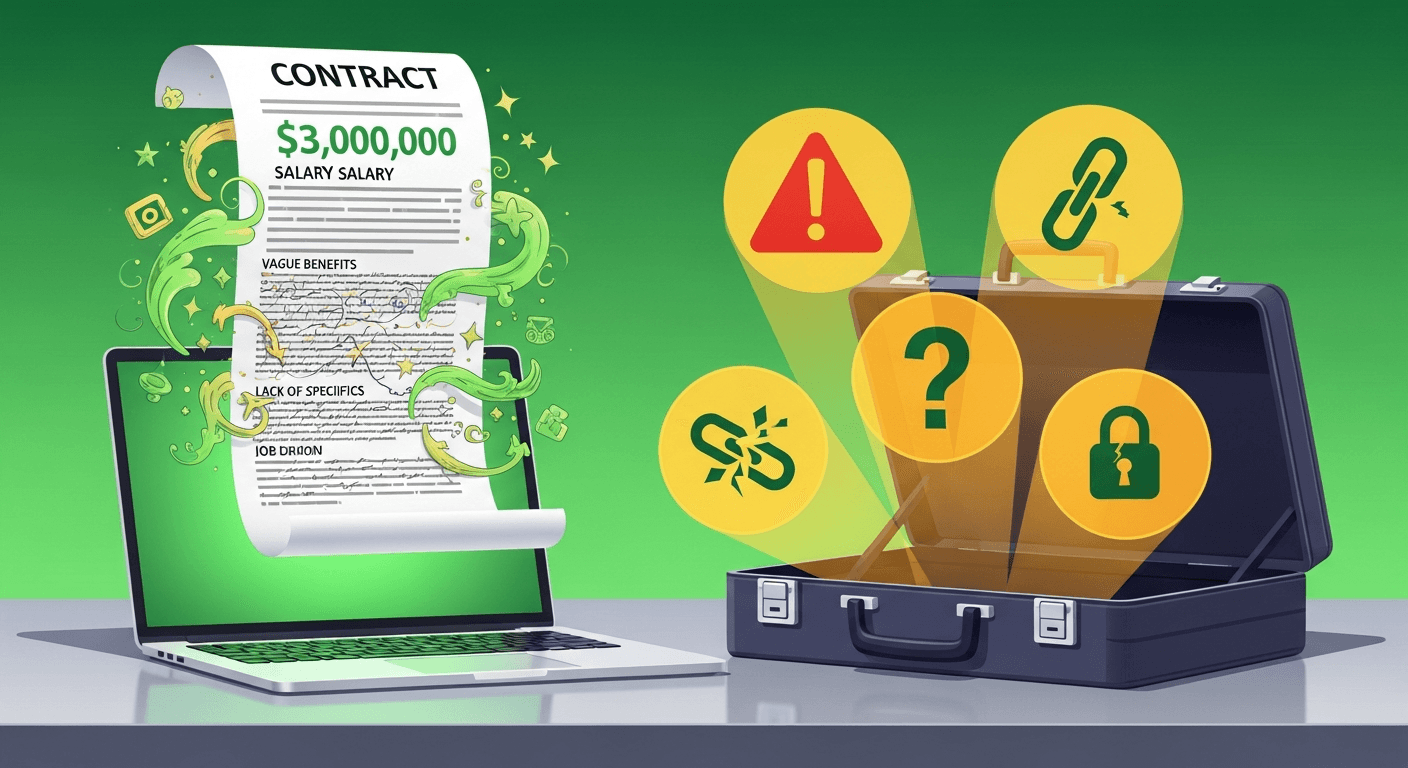
Job and business scams target both job seekers and business owners. Job seekers are lured with fake remote positions offering excellent salaries, only to have their identity stolen or be asked to pay "processing fees". Business owners face fake influencer collaborations, invoice fraud, and CEO impersonation scams. These scams exploit the desire for opportunity and can cause significant financial and reputational damage.
Common Approaches
How scammers typically operate in this category:
- •Fake job postings on LinkedIn, Indeed, and job boards offering remote work
- •Requests for personal documents (PPS, passport) after fake "interviews"
- •Demands for "equipment fees" or "training costs" from new "employers"
- •Fake influencers requesting free products for "promotion"
- •Invoice fraud with changed bank details
- •CEO impersonation emails requesting urgent transfers
Scams in this Category (4)
Fake Remote Job Interview Scam
TrendingFake recruiters offering remote jobs, then requesting personal documents or processing fees.
Fake Influencer & Customs Trap
Fake influencers request free products from Irish businesses, then disappear or demand customs fees.
publicjobs.ie WhatsApp Job Offer Scam
publicjobs.ie says it never contacts candidates via WhatsApp, so a WhatsApp job offer in its name is a scam after your personal and financial details.
Money Mule Recruitment Scam
TrendingCriminals offer easy money to use your bank account to move stolen funds. You are not robbed here — you are recruited into money laundering.
How to Protect Yourself
- Research companies independently – not through links provided by "recruiters"
- Legitimate employers never ask job candidates for money
- Verify job offers by calling the company's official number
- Check recruiter profiles carefully – new accounts are red flags
- For business deals, verify requests through known channels
- Be suspicious of unsolicited collaboration requests
- Always verify bank detail changes by phone before transferring money